


 by Workfile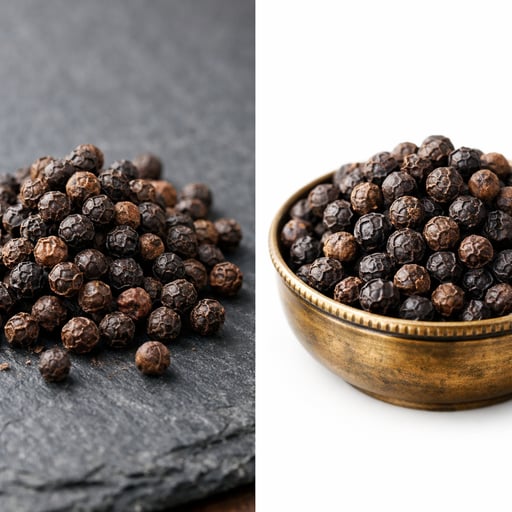
Black pepper
Kalimirchi
Piper nigrum
Also known as: Kola jaluk, Golmarichi, Peppercorn, Mari, Kari menasu, Marutus
Black pepper is a commonly used spice in Indian and global cuisines, known for its pungent flavor and aroma. It is derived from the dried unripe fruit of the Piper nigrum vine.
Nutrition per 100g
Nutrient Breakdown
Key Nutrients(19)
% DV = % Daily Value (adult RDA, ICMR 2020). Values per 100g edible portion.
Use Black pepper in meal plans
17,000+ foods with real-time nutrient tracking, AI generation, and WhatsApp sharing.
Start FreeFree plan · No credit card
Common questions about Black pepper
How many calories are in 1 teaspoon of Black pepper?
1 teaspoon (3 g) of Black pepper has about 7 kcal, based on 217 kcal per 100 g.
How much protein is in Black pepper?
Black pepper provides about 10.1 g of protein per 100 g.
How much sugar does Black pepper contain?
Black pepper has about 0.3 g of total sugars per 100 g.
How is black pepper commonly used in cooking?
Black pepper is used whole or ground to add pungency and flavor to a wide range of dishes including curries, soups, and vegetable preparations.
Is black pepper suitable for vegans?
Yes, black pepper is a plant-based spice and is suitable for vegan diets.
How should black pepper be stored to maintain freshness?
Store black pepper in a cool, dry place in an airtight container away from sunlight to preserve its flavor and aroma.
About Black pepper
Black pepper, locally known as 2b 3e 32 1c 3f 30 3e, is one of the most widely used spices worldwide, originating from the Indian subcontinent. It is obtained by drying the immature fruit (peppercorn) of the Piper nigrum plant. Its sharp, pungent taste makes it a staple seasoning in many dishes, from curries to vegetables and meats.
Nutritionally, black pepper is notable for being: - Rich in Vitamin K, which supports blood clotting and bone health. - High in Chromium and Manganese, trace minerals important for metabolism and antioxidant functions. - A good source of Copper and Iron, essential for red blood cell production and enzyme activity. - Contains significant dietary fiber, assisting digestive health. - Provides substantial amounts of Potassium and Magnesium, key minerals for muscle and nerve function.
This spice is vegan, has no common allergens, and is typically consumed in small quantities. It is usually added whole or ground during cooking or as a finishing seasoning.
Values per 100g edible portion.
Nutrition data is for reference only. Values may vary by preparation method, brand, and region. Full disclaimer
Similar foods
Browse all →
Chillies, green - all varieties
Hara Mirchi
Chillies, green-7
Hara Mirchi
Chillies, green-5
Hara Mirchi
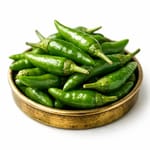
Chillies, green-4
Hara Mirchi
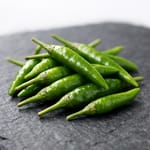
Chillies, green-2
Hara Mirchi
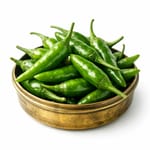
Chillies, green-3
Hara Mirchi
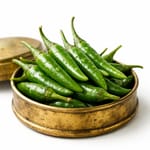
Chillies, green-6
Hara Mirchi
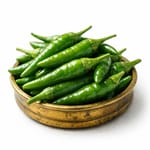
Chillies, green-1
Hara Mirchi